Feeling overwhelmed by the idea of getting your home ready to sell in Westlake Village? You are not alone. If you have lived in your home for years, the prep process can feel emotional, time-consuming, and full of decisions you do not want to get wrong. The good news is that you do not need a dramatic overhaul to make a strong impression. With a calm, strategic plan, you can focus on the updates that matter most, protect your time, and present your home with confidence. Let’s dive in.
Why prep still matters in Westlake Village
Westlake Village remains a premium market, but that does not mean buyers overlook presentation. Recent market snapshots show median days on market in the mid-30s, with one source reporting 36 days and another reporting 34. In a market moving at that pace, weak first impressions can cost you valuable momentum.
Market labels vary slightly by platform, with one calling Westlake Village a seller’s market and another calling it somewhat competitive. The takeaway is the same: buyers are active, but they still compare condition, presentation, and value carefully. A thoughtful prep plan helps you protect your price and put your home in the strongest position from day one.
Start with a calm prep timeline
For many Westlake Village sellers, a practical prep window is about 3 to 6 weeks. That is not a fixed rule, but it fits the local market tempo and allows time to declutter, coordinate vendors, and prepare key rooms for photos and showings.
A shorter, organized timeline often feels more manageable than trying to do everything at once. It also helps you make decisions in the right order, which can reduce stress and avoid wasted effort.
A smart prep sequence
A simple sequence can keep the process focused:
- Declutter and pack extra items
- Complete light repairs and vendor walk-throughs
- Deep clean, stage, and photograph
- Launch the listing
This order matters. If you stage before repairs or deep cleaning, you may end up redoing work. If you wait too long to address clutter, it becomes harder to see what the home really needs.
Decluttering is often the highest-value first step
Many sellers assume they need major renovations before listing. In reality, a cleaner, lighter, less crowded home often does more for presentation than an expensive remodel. That is especially true if you have lived in the home for a long time and daily life has naturally filled drawers, shelves, counters, and closets.
The typical home seller has lived in their home for about 10 years before selling. That matters because it is easy to stop noticing what a first-time visitor will see right away. Decluttering helps buyers focus on the space itself, not your belongings.
What to remove first
Start with the items that make rooms feel smaller or busier than they are:
- Extra furniture that interrupts flow
- Personal photos and highly specific decor
- Overflow from kitchen counters
- Unused items in closets and storage spaces
- Seasonal items you will not need before moving
Packing these items early gives you a head start on your eventual move. It also makes cleaning and staging much easier.
Focus repairs on visible distractions
Not every home needs a long repair list before it goes on the market. In many cases, the smartest approach is to fix the issues buyers notice quickly rather than chase every possible project.
Think in terms of distractions. A dripping faucet, chipped paint, loose hardware, burned-out lightbulb, or damaged screen can make buyers wonder what else has been overlooked. Small problems can create an outsized impression, especially in a premium market.
Use licensed contractors when needed
If you hire vendors for repairs, California’s Contractors State License Board recommends using licensed contractors and checking the license before work begins. It also states that many projects requiring a building permit, or projects totaling $1,000 or more, must be handled by a licensed contractor.
That guidance can help you avoid last-minute problems. It also gives you a clearer path if you are deciding whether a project should be cosmetic, deferred, or professionally completed before listing.
Stage the rooms buyers notice most
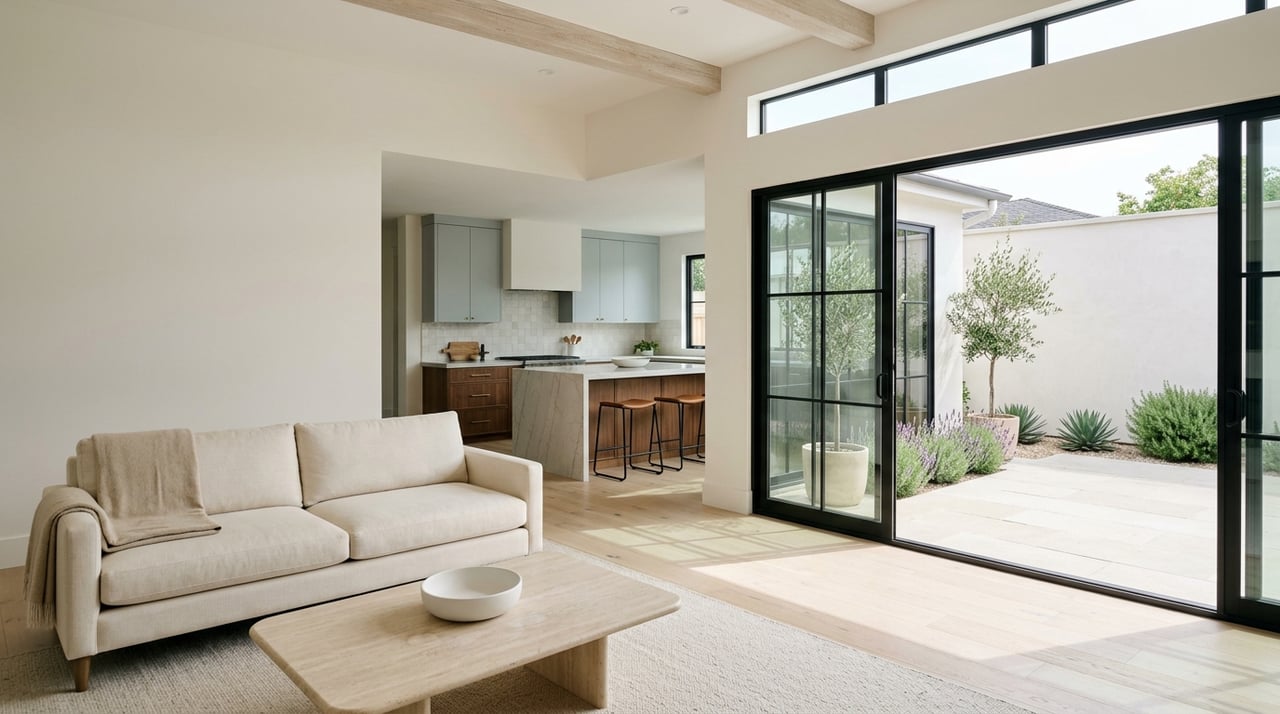
Staging does not have to mean turning your home into something unrecognizable. The goal is to help buyers see space, light, function, and comfort. In many cases, that means refining what is already there rather than starting from scratch.
National staging data supports the value of this step. In a 2025 survey, 49% of sellers’ agents said staging reduced time on market, and 29% said staged homes saw a 1% to 10% increase in the dollar value offered. Buyers’ agents also reported that staging made it easier for buyers to picture the property as a future home.
Prioritize these spaces
The rooms with the biggest impact are:
- Living room
- Primary bedroom
- Kitchen
If your budget or time is limited, start there. Those rooms tend to shape the overall impression of the home online and in person.
Keep staging practical
Professional staging can be worthwhile, but not every home needs a full install. Survey data shows a median spend of $1,500 for a professional staging service, compared with $500 when a seller’s agent personally handles staging. The same research also found that many agents do not stage every home and instead recommend decluttering or correcting property faults.
That is good news if you want a calmer plan. Strategic editing, light styling, and focused room prep can go a long way without creating a renovation-level project.
Do not overlook photography and video
Most buyers see your home online before they ever step inside. That means your prep work needs to hold up on camera, not just in person. Clean lines, open surfaces, and balanced furniture placement all matter more once the home is photographed.
Buyers’ agents reported that photos, traditional physical staging, videos, and virtual tours are especially important. They also said buyers are more willing to walk through a home they first saw online when the presentation is strong. In other words, polished visuals help drive real showing activity.
Pay close attention to exterior presentation
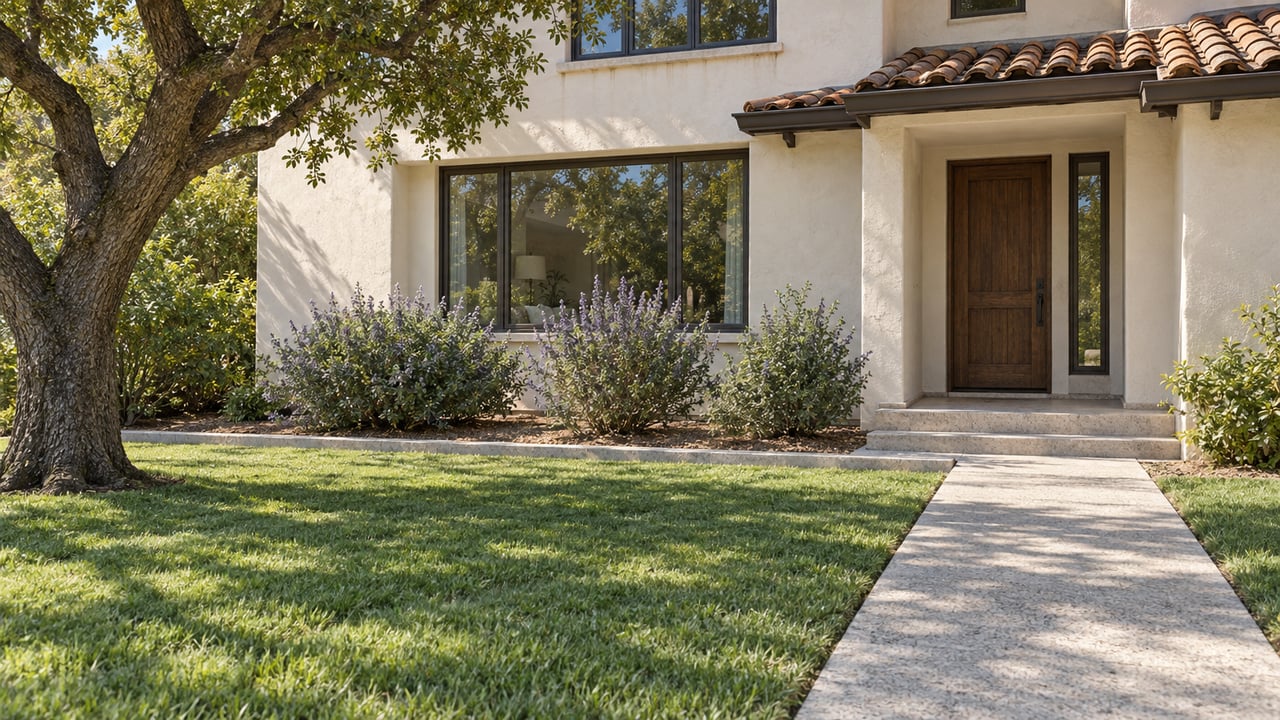
Westlake Village has active HOAs and a strong emphasis on architectural consistency and upkeep. The city profile notes 20 neighborhoods, with HOAs that maintain high architectural standards. For sellers, that makes curb appeal more than a nice extra. It is part of the overall market standard.
Your exterior is the first thing buyers see, whether in person or in listing photos. A well-kept yard, clean entry, and tidy hardscape can set the tone before a buyer ever reaches the front door.
Exterior details worth checking
Before listing, review:
- Landscaping and trimmed plantings
- Front entry condition
- Exterior paint touch-ups where needed
- Clean windows and walkways
- HOA requirements for visible exterior changes
If your home is in an HOA-managed area, early coordination can save time. It is better to confirm any needed approvals before work begins rather than scramble near launch.
Include wildfire-related prep when relevant
For homes in fire-prone areas, wildfire-related prep may be part of your sale strategy. CAL FIRE defines home hardening as construction features, building materials, and maintenance practices that help increase a building’s resistance to ignition. Los Angeles County Fire recommends up to a 100-foot radius of defensible space around the home.
This does not mean every seller needs a major fire-hardening project before listing. It does mean you should look carefully at maintenance, brush clearance, and exterior conditions if your property location makes those issues relevant.
Get ahead of disclosures and paperwork
One of the easiest ways to make a sale feel less reactive is to gather paperwork early. California’s Department of Real Estate says the main disclosure rules for residential resales apply through the Real Estate Transfer Disclosure Statement. Starting early gives you time to organize information before questions come in.
Seller disclosures can include completed repairs, natural hazards, property defects, missing essentials, HOA guidance, deaths on the property, and other conditions that may affect value. That can sound like a lot, but it is much easier when handled step by step.
Documents to gather early
A simple file can include:
- Repair receipts
- Warranties
- Permits
- HOA documents or guidance
- Notes on known issues
- Records of completed maintenance
Having these materials ready can make the listing process feel more orderly. It also helps you answer buyer questions with more clarity and less stress.
A calm strategy beats over-prepping
It is easy to assume that selling well means doing everything. In reality, the best prep plan is the one that matches your home, your timeline, and your goals. In Westlake Village, where buyers move quickly but still expect strong presentation, smart choices usually beat rushed, expensive ones.
That is why a measured approach matters. Declutter first. Fix what distracts. Stage the rooms that count. Prepare your paperwork. Then bring the home to market with a clear, polished presentation.
If you want a steady plan for selling in Westlake Village without creating unnecessary stress, Paula Kropp can help you decide what is worth doing, what is not, and how to move forward with confidence.
FAQs
How long should home prep take before listing in Westlake Village?
- For many homes, a practical prep window is about 3 to 6 weeks, which often gives you enough time to declutter, handle light repairs, clean, stage, and photograph before launch.
Which rooms matter most when staging a Westlake Village home for sale?
- The living room, primary bedroom, and kitchen tend to have the biggest impact on buyer perception and are the best places to focus first.
Do you need full professional staging to sell a home in Westlake Village?
- Not always. Many homes benefit from decluttering, light styling, and correcting visible property issues, even without full-scale professional staging.
What exterior details matter when selling a home in Westlake Village?
- Exterior appearance, landscaping, entry condition, and HOA coordination matter because Westlake Village includes neighborhoods with active HOAs and high architectural standards.
What paperwork should sellers gather before listing a home in California?
- It helps to gather repair receipts, warranties, permits, HOA information, maintenance records, and notes about known property issues early in the process.
Should wildfire-related prep be part of Westlake Village home sale preparation?
- If your home is in a fire-prone area, it can be wise to review brush clearance, defensible space, and exterior maintenance as part of your overall prep plan.